Tissue & Neuropeptide Research
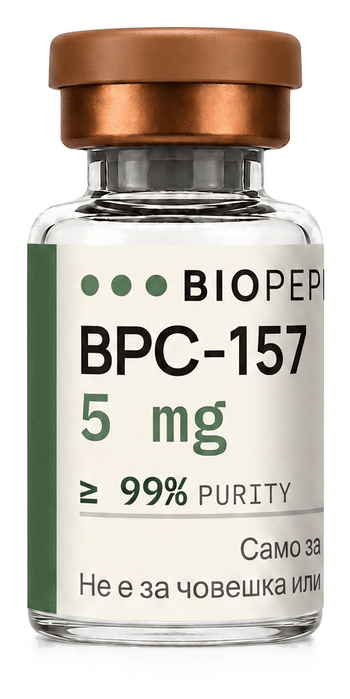
BPC-157
Synthetic pentadecapeptide studied in cell-signalling research.
≥99% (HPLC)Size: 5 mg · 10 mg
Free delivery on orders over €70
Published
Important: This article is intended solely for educational and informational purposes. It does not constitute medical advice and does not encourage the injection, ingestion or any use of peptides in humans or animals. The products on this site are intended for scientific research and laboratory purposes only.
Peptides are among the most interesting molecules in modern biochemistry and biotechnology. In recent years some of them have become particularly well known among researchers, biotech companies and people interested in molecular biology. It is important, however, to distinguish popularity and scientific interest from proven medical efficacy.
Popularity can be judged by different criteria: the frequency of scientific publications, interest from laboratories and biotech companies, presence in research catalogues, use in pharmaceutical development, interest from the cosmetics field, and internet searches. The list below is therefore not an official ranking but a selection of peptides with widely recognisable names and significant scientific or industrial interest.
BPC-157 is a synthetic peptide that became popular through research into various biological processes — cellular mechanisms, tissue processes and interactions with different biological systems. Much of what is known about BPC-157 comes from preclinical studies; results from laboratory and animal models cannot be transferred automatically to humans.
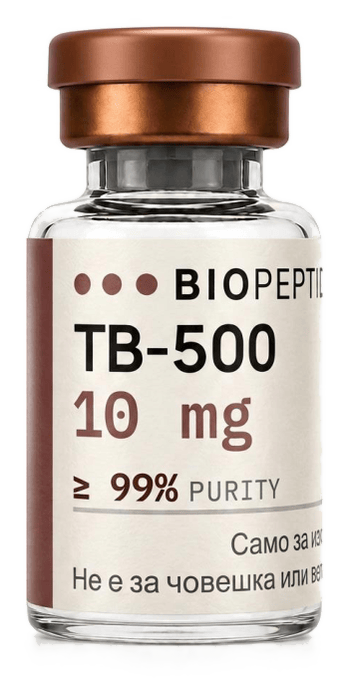
TB-500 is a synthetic peptide associated with scientific interest in thymosin beta-4 — a naturally occurring peptide involved in processes related to cell migration, the cytoskeleton and tissue biology. Publications on thymosin beta-4 do not automatically demonstrate the efficacy or safety of every product labelled TB-500.
CJC-1295 is a synthetic analogue of growth-hormone-releasing hormone (GHRH), developed to study mechanisms of growth hormone regulation. The literature describes different forms and modifications of CJC-1295, so in laboratory work it matters to specify the exact structure, sequence and characteristics of the product.
Ipamorelin is a synthetic peptide studied as a growth hormone secretagogue. Its mechanism makes it of interest to endocrinology, cell signalling and peptide pharmacology. Scientific interest does not automatically mean a product is approved for medical use.
Melanotan II is a synthetic analogue of peptides related to the melanocortin system, studied for its interaction with melanocortin receptors. The peptide is widely known outside academia, but its popularity should not be confused with regulatory approval or demonstrated safety.
GHK-Cu is the copper complex of the tripeptide glycyl-L-histidyl-L-lysine. It occurs naturally in human plasma and attracts research interest in skin biology and tissue processes. It is especially popular in the cosmetics industry, where any effect depends on formulation, concentration, stability and mode of application.
AOD-9604 is a synthetic peptide fragment studied in the context of metabolism and adipose tissue. The existence of publications does not mean every advertised claim about weight loss or other effects is proven — preclinical findings, clinical data and marketing claims must be kept apart.
Semax is a synthetic peptide studied mainly within neuropharmacology and neurobiology — research on the nervous system, cell signalling and various biological mechanisms. Experimental data, regulatory status and proven clinical use in a given country are three different things.
Selank is a synthetic peptide studied in neurobiology and in the interactions between peptide molecules and the nervous system. Scientific interest is not equivalent to proven efficacy for any specific condition.
Oxytocin is a naturally occurring peptide hormone involved in reproduction, childbirth, lactation and other physiological functions. It is one of the best-studied peptide hormones and an example of a peptide with both significant scientific interest and a clearly delineated medical use under regulatory control.
Insulin is a peptide hormone that regulates blood glucose and plays a central role in metabolism. It is produced by biotechnological methods and used to treat certain forms of diabetes. Its history shows how research into peptide molecules can lead to major medical advances.
GLP-1 (glucagon-like peptide-1) is a naturally occurring peptide hormone involved in regulating glucose metabolism and appetite. It is the basis for developing medicines that mimic or amplify its action. The natural hormone, its analogues and specific approved medicinal products are distinct things.
BDNF (brain-derived neurotrophic factor) is a neurotrophic factor with an important role in the development, maintenance and functioning of the nervous system. It is a protein rather than a short peptide, but it comes up often in discussions of peptide and neurobiology research. Its inclusion here underlines how important it is to distinguish peptides, polypeptides and proteins.
A COA (Certificate of Analysis) can provide information about a specific batch, but it does not replace toxicological assessment, clinical trials or regulatory approval.
The most popular peptides span very different molecules — from natural hormones such as insulin, oxytocin and GLP-1 to synthetic peptides such as BPC-157, TB-500, CJC-1295 and ipamorelin. Each has its own structure, mechanism and scientific context. Scientific interest in a peptide is a useful starting point, but it is not evidence of safety or efficacy in humans.