Metabolic Pathway Research
Semaglutide
GLP-1 receptor agonist for metabolic pathway research.
≥99% (HPLC)Size: 5 mg · 10 mg
Free delivery on orders over €70
Published
Important: This article is intended solely for educational and informational purposes. It does not constitute medical advice and does not encourage the injection, ingestion or any use of peptides in humans or animals. The products on this site are intended for scientific research and laboratory purposes only.
Weight-loss peptides are among the most popular topics in modern metabolic science. The interest stems from discoveries about the role of peptide hormones in regulating appetite, glucose metabolism and energy balance. Some peptide medicines have passed clinical trials and are approved for specific medical indications; other molecules are still at the research stage.
This is a broad group of molecules that can take part in processes such as appetite regulation, slowing of gastric emptying, blood glucose control, signalling between the gut, pancreas and brain, and the regulation of energy metabolism. Natural hormones, synthetic analogues and specific medicinal products are three different things.
GLP-1 (glucagon-like peptide-1) is a naturally occurring peptide hormone released mainly in the gut after food intake. It participates in regulating glucose-dependent insulin secretion, glucagon secretion, appetite, the rate of gastric emptying and energy balance. GLP-1 is the basis for developing medicines that mimic its action.
Semaglutide is a synthetic GLP-1 analogue developed for medical use in specific indications. It is an example of a peptide molecule that has been through clinical trials and is used in approved medicinal products. The approved medicine must be distinguished from unauthorised or laboratory products that may carry the same or a similar name.
Tirzepatide is a synthetic peptide molecule that activates the GIP and GLP-1 receptors. It is interesting because it combines two hormonal signalling pathways involved in metabolic regulation. It is used in approved medicinal products for specific indications — which does not mean that every product sold under its name is a medicine or intended for self-administration.
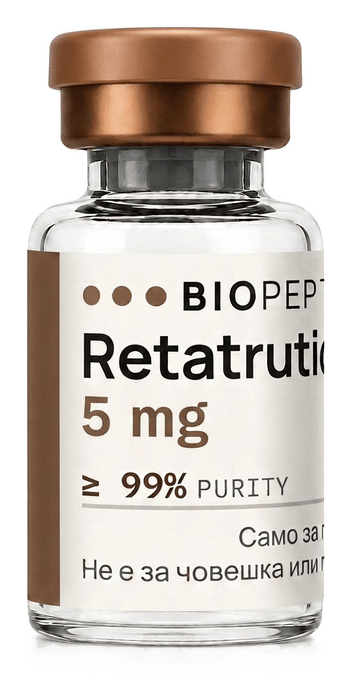
Retatrutide is an experimental molecule that activates the GIP, GLP-1 and glucagon receptors. The triple mechanism of action is why scientific interest in it is significant; studies examine its influence on metabolic processes and body weight. Its experimental status means the molecule is still being evaluated in clinical and scientific studies.
AOD-9604 is a synthetic peptide fragment studied in relation to metabolism and adipose tissue. It is often mentioned in the context of body-weight research, but preclinical results, clinical data and marketing claims must be kept apart.
MOTS-c is a mitochondria-derived peptide studied in relation to cellular metabolism and energy balance. Scientific interest covers its interactions with metabolic processes and cell signalling pathways, but many of its potential applications remain subjects of research.
For peptide medicines targeting GLP-1 and related receptor systems, substantial clinical data exists for certain approved products. For other popular molecules, such as AOD-9604 and MOTS-c, the data is more limited and does not allow automatic conclusions about efficacy in humans. What matters when reading a study:
This is one of the most important distinctions. An approved medicinal product has passed regulatory assessment for a specific purpose. A laboratory peptide is a product intended for scientific research and must not be presented as a medicine or a means of self-treatment. An identical or similar chemical name does not mean two products share the same status, quality or purpose.
GLP-1, semaglutide, tirzepatide, retatrutide, AOD-9604 and MOTS-c are among the most discussed names in metabolic regulation, but their scientific and regulatory status varies widely. What matters most is separating proven medical applications from experimental research and laboratory products.