Metabolic Pathway Research
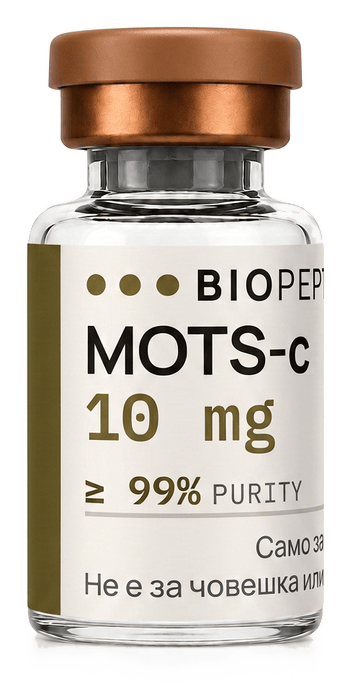
MOTS-c
Mitochondrial-derived peptide studied in cellular metabolism research.
≥99% (HPLC)Size: 10 mg
Free delivery on orders over €70
Published
Important: This article is intended solely for educational and informational purposes. It does not constitute medical advice and does not encourage the injection, ingestion or any use of peptides in humans or animals. The products on this site are intended for scientific research and laboratory purposes only.
Fitness peptides are among the most discussed topics in modern sports physiology and biotechnology. The interest relates to the role of certain peptide molecules in processes around muscle function, hormonal signalling, metabolism and tissue biology. It is important, though, to distinguish peptides studied in the laboratory from products with demonstrated safety and efficacy in humans — a molecule's popularity is not the same as a clinically proven effect.
The term does not describe one specific group of substances. It is usually applied to peptides studied in relation to muscle physiology, hormonal signalling, metabolic processes, tissue biology, recovery after physical exertion and cell communication. Different peptides have different structures and mechanisms of action, so it is not correct to present them as interchangeable.
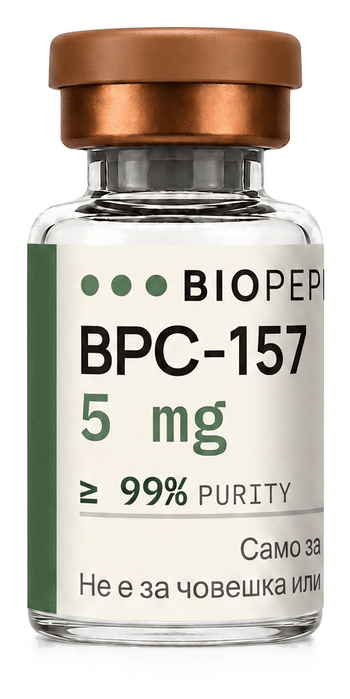
BPC-157 is a synthetic peptide studied in the context of tissue biology, cellular processes and interactions between biological systems. Interest in it rests mainly on preclinical research — although some experimental models show interesting results, the available clinical data in humans is limited.
TB-500 is a synthetic peptide associated with research on thymosin beta-4 and its biological functions: cell migration, angiogenesis and tissue processes. Natural thymosin beta-4, its fragments and specific synthetic products labelled TB-500 must be kept apart.
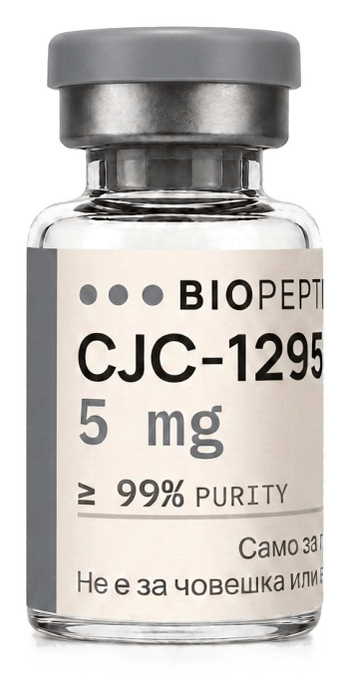
CJC-1295 is a synthetic GHRH analogue studied for its interaction with receptor systems involved in growth hormone regulation. It is often discussed in sports physiology and endocrinology, but scientific interest does not mean it is proven to improve athletic performance.
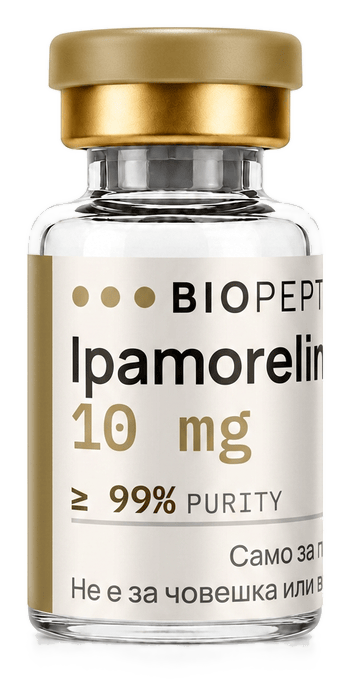
Ipamorelin is a synthetic peptide studied as a growth hormone secretagogue. Research on it concerns peptide pharmacology, cell signalling and endocrine mechanisms.
GHK-Cu is the copper complex of the tripeptide glycyl-L-histidyl-L-lysine, found naturally in human plasma and studied in skin biology and tissue processes. In a sports context it is sometimes discussed for its supposed connection to tissue biology, but the data should not be presented as evidence of improved athletic performance.
A recent review of peptides studied in sports medicine covers BPC-157, TB-500, CJC-1295, MK-677, ipamorelin and GHK-Cu. The authors note that a substantial share of the literature is preclinical, and that human clinical studies are limited and often methodologically constrained.
Some peptides and peptide analogues fall under anti-doping restrictions. Athletes should check the current list of prohibited substances and consult the relevant sports organisations. This matters especially for substances related to growth hormone and its regulation.
For products intended for research, what should be assessed includes the amino acid sequence, molecular mass, purity, identity, analytical methods, batch number, storage conditions and available documentation. A COA (Certificate of Analysis) can provide information about a specific batch, but by itself it does not demonstrate clinical efficacy or safety in humans.
Among the most popular molecules in sports research are BPC-157, TB-500, CJC-1295, ipamorelin and GHK-Cu. Each has specific characteristics and a different level of scientific evidence. Scientific interest in a peptide must not be confused with demonstrated efficacy or safety in humans.