GH-Axis Research
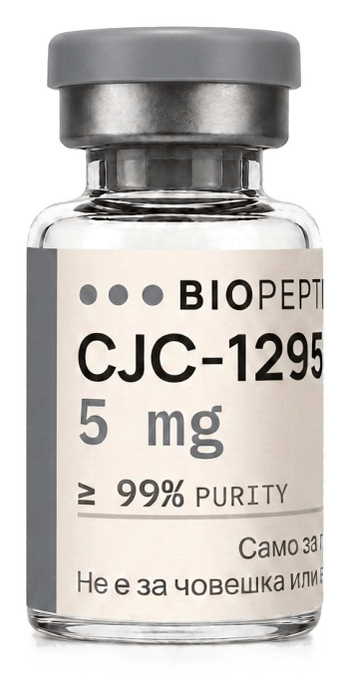
CJC-1295 No DAC
Short-acting GHRH analogue studied in pulsatile GH-release research.
≥99% (HPLC)Size: 5 mg
Free delivery on orders over €70
Published
Important: This article is intended solely for educational and informational purposes. It does not constitute medical advice and does not encourage the injection, ingestion or any use of peptides in humans or animals. The products on this site are intended for scientific research and laboratory purposes only.
Growth hormone release from the pituitary is governed by two opposing signals: growth hormone releasing hormone, which stimulates it, and somatostatin, which suppresses it. A third pathway, the ghrelin receptor, stimulates release through a separate mechanism. Research peptides in this category work on one of these routes, and CJC-1295 and ipamorelin are studied together precisely because they take different ones.
CJC-1295 is a modified fragment of growth hormone releasing hormone. Natural GHRH is broken down within minutes by the enzyme DPP-4; the modifications in CJC-1295 resist that cleavage, so the analog persists long enough to be studied meaningfully.
The distinction between CJC-1295 with and without DAC matters. DAC — Drug Affinity Complex — is an addition that binds the peptide to albumin in the blood, extending its presence from hours to days. Without DAC, the compound produces a short pulse. The version we supply is the No DAC form, sometimes called modified GRF (1-29), and it is studied in pulsatile-release research for that reason.
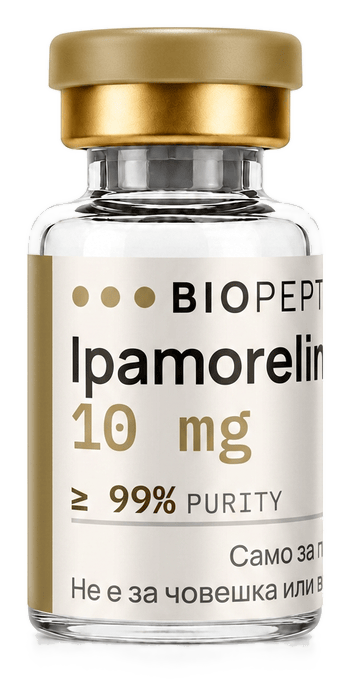
Ipamorelin acts on the growth hormone secretagogue receptor — the ghrelin receptor — which is a different door into the same pituitary cells. Its research profile is defined by selectivity: earlier compounds in this class also affected cortisol and prolactin, and ipamorelin is characterised by comparatively little effect on either.
Because the receptors are separate, engaging both is studied as producing a larger response than either alone. A GHRH analog increases the signal to release; a ghrelin mimetic acts on a distinct pathway and is also studied for its effect on somatostatin, the brake. The research logic is pressing the accelerator while easing the brake, rather than pressing one accelerator harder.
Tesamorelin is also a GHRH analog, stabilised differently from CJC-1295. It is the most clinically documented compound in this group, having been studied specifically in visceral adipose tissue research, and it is generally treated as a distinct line of enquiry rather than a substitute.
Both are supplied for laboratory and research use. Neither is a medicine, and this piece deliberately says nothing about how either would be used in a person.