Metabolic Pathway Research
Semaglutide
GLP-1 receptor agonist for metabolic pathway research.
≥99% (HPLC)Size: 5 mg · 10 mg
Free delivery on orders over €70
Published
Important: This article is intended solely for educational and informational purposes. It does not constitute medical advice and does not encourage the injection, ingestion or any use of peptides in humans or animals. The products on this site are intended for scientific research and laboratory purposes only.
The metabolic peptides studied most heavily over the past decade are usually distinguished by a single property: how many hormone receptors a molecule activates. That number is what separates semaglutide from retatrutide, and it explains why they are studied differently.
Incretins are hormones the gut releases in response to food. Two matter here. GLP-1 (glucagon-like peptide-1) acts on insulin release, gastric emptying and satiety signalling in the brain. GIP (glucose-dependent insulinotropic polypeptide) is the other major incretin, with a distinct and still actively debated role in fat tissue metabolism.
Glucagon is the third receptor in this picture, and the odd one out. Where GLP-1 and GIP are associated with storing and regulating energy, glucagon is associated with mobilising it — raising blood glucose and increasing energy expenditure.
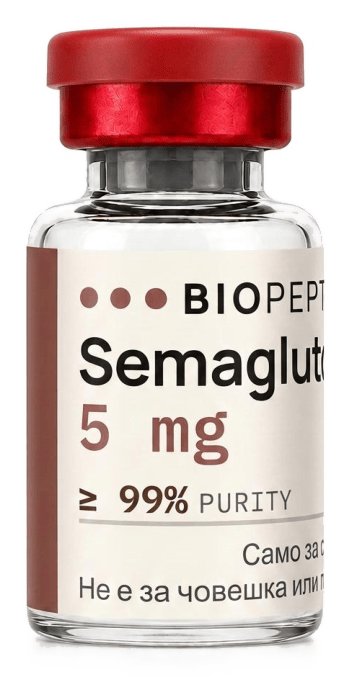
Semaglutide is a GLP-1 receptor agonist. Structurally it is a modified version of the natural GLP-1 sequence, altered to resist enzymatic breakdown so it persists far longer than the native hormone, which is cleared within minutes. It is the most extensively studied compound in this class and functions as the reference point the others are compared against.
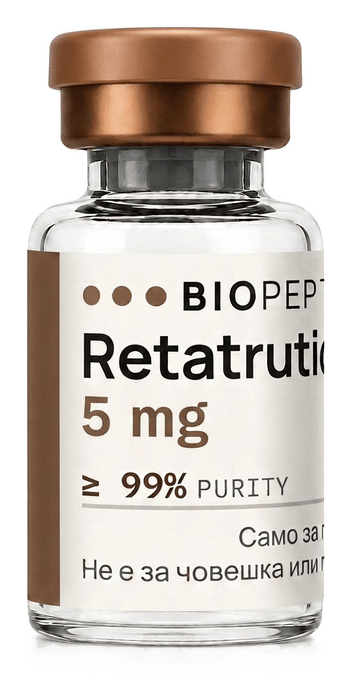
Retatrutide engages three receptors — GLP-1, GIP and glucagon. The research rationale for a triple agonist is that combining receptors that regulate energy intake with one that increases energy expenditure produces effects that are not simply the sum of engaging each alone.
It is also the least mature of the three: a considerable body of published work exists for GLP-1 agonism, less for dual agonism, and less again for triple. More receptors means more variables, and research reflects that.
Molecular weights differ substantially across the three, which matters when calculating molar concentrations rather than mass concentrations. The figures are on each product page.
For laboratory and research use only. These are not medicines as supplied and nothing here is guidance for human use.